
Packaging Design Insights from the Aldi Copyright Case
Why It Matters
Imitation in branding and packaging might seem like an easy shortcut to market success, but it often leads to significant legal, financial, and reputational damage. The recent Federal Court of Australia decision in Hampden Holdings I.P. Pty Ltd v Aldi Foods Pty Ltd [2024] FCA 1452 is a reminder that businesses must respect intellectual property (IP) laws to avoid costly consequences.
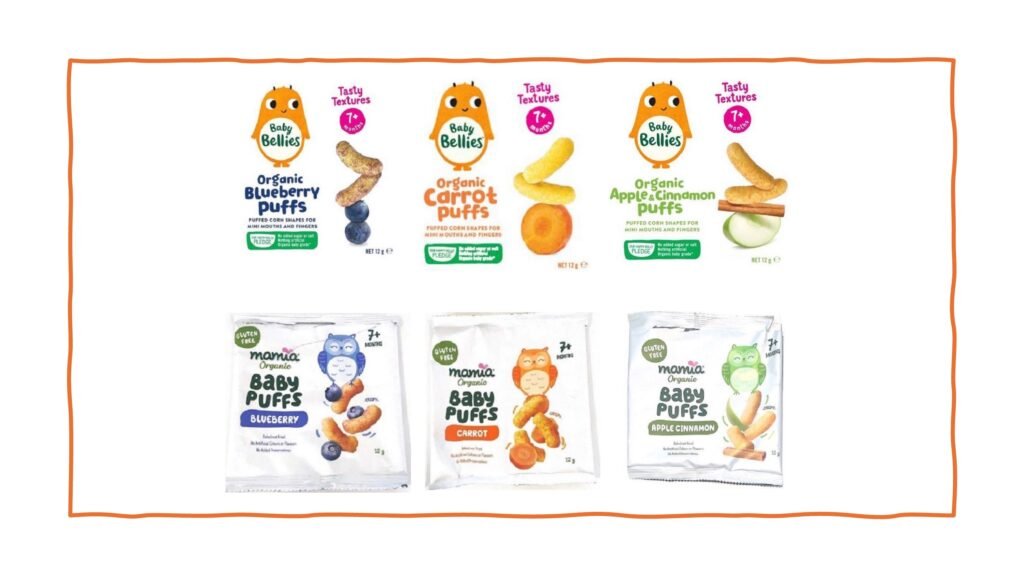
This case involved Aldi, the supermarket giant, which used rival Baby Bellies’ packaging designs as a “benchmark” for its Mamia range of children’s snack foods. The court found Aldi liable for copyright infringement, describing their conduct as “flagrant” and aimed at leveraging a competitor’s success for its gain.
This landmark ruling underscores the importance of originality and integrity in branding and packaging while highlighting that imitation is unethical and unsustainable.
How Responsible Branding Protects Your Business
The Aldi case centres around the 2021 launch of redesigned packaging for the Mamia children’s snack food line, which included fruit-flavoured corn puffs. The packaging prominently featured a cartoon owl and mirrored the successful design elements of Baby Bellies, a rival brand owned by Hampden Holdings.
Key evidence presented in court revealed that Aldi deliberately instructed its design firm, Motor Brand Design, to emulate the Baby Bellies packaging. Emails between Aldi and the firm contained explicit instructions to “follow the architecture of Baby Bellies” and use photographic imagery as part of the design.
Further emails showed that Aldi was aware of the potential legal risks but decided to proceed. When warned by its design firm that the designs were “too close to the benchmark,” Aldi made only superficial adjustments, such as changing the cartoon owl to a monkey and altering the font. These changes were insufficient to avoid infringement, as the Federal Court found the new designs still closely resembled Baby Bellies’ packaging.
Justice Mark Moshinsky ruled that Aldi’s actions amounted to copyright infringement for three of the eleven contested products. He described Aldi’s conduct as “flagrant” because the company knowingly continued to sell the infringing products even after receiving a copyright infringement letter from Hampden Holdings.
Beyond Copyright: Broader Risks of Imitation
This case illustrates that businesses can face legal consequences for a range of IP and consumer law violations beyond trademark infringement. These include:
- Copyright infringement, as seen in this case, protects original artistic works like packaging designs.
- Design infringement, which applies to unauthorized use of a product’s unique appearance or aesthetic features.
- Passing off, where a business misrepresents its goods as those of another, misleading consumers and damaging the original brand’s reputation.
By copying elements of another brand’s packaging or branding, businesses risk exposure to costly litigation, financial penalties, and reputational harm.
Why Imitation in Branding and Packaging Does Not Pay
The Aldi case underscores a simple but vital truth: imitation in branding and packaging is a high-risk strategy with far-reaching consequences. Businesses that attempt to shortcut their way to success by copying competitors may find themselves facing:
- Legal costs: Defending against IP claims involves significant financial outlays, including damages, legal representation, and court fees.
- Reputational damage: Public exposure of unethical practices erodes consumer trust and tarnishes brand equity.
- Operational disruptions: Addressing legal claims diverts resources and attention from core business operations.
Investing in original branding not only avoids these pitfalls but also creates lasting value. Consumers are more likely to connect with brands that reflect authenticity and creativity.
Lessons for Small Businesses and SMEs
The Aldi case offers valuable lessons for small businesses and SMEs about the importance of protecting intellectual property and developing original branding. Key takeaways include:
- Respect intellectual property: Ensure your packaging, branding, and marketing materials comply with IP laws and do not infringe on competitors’ rights.
- Foster creativity: Invest in original, creative branding that sets your business apart from competitors and reflects your unique identity.
- Engage professionals: Consult IP attorneys and designers to evaluate your branding and packaging strategies for potential risks.
- Build goodwill: Authentic branding builds consumer trust and loyalty, which are invaluable assets for long-term success.
What Markport Can Do for You
At Markport™, we believe in the power of originality and ethical branding. We are here to help small businesses and SMEs navigate the complexities of intellectual property law while fostering creativity and integrity in their branding efforts.
Our services include:
- Trademark protection: Comprehensive services to safeguard your brand name, logo, and slogan.
- Design safeguarding: Assistance with registering and protecting unique product designs to prevent unauthorized copying.
- IP strategy development: Expert guidance on auditing your intellectual property portfolio and managing risks.
- Brand design services: Collaborating with designers to create distinctive and marketable branding that reflects your business’s values and vision.
Imitation in branding and packaging does not pay, but responsible trademark management and innovative design do. Let us help you build a brand that stands out for all the right reasons.
For more information, visit our contact page at https://markport.com.au/contact-us/.