
Swift v. Wade: The Trademark of the Showgirl
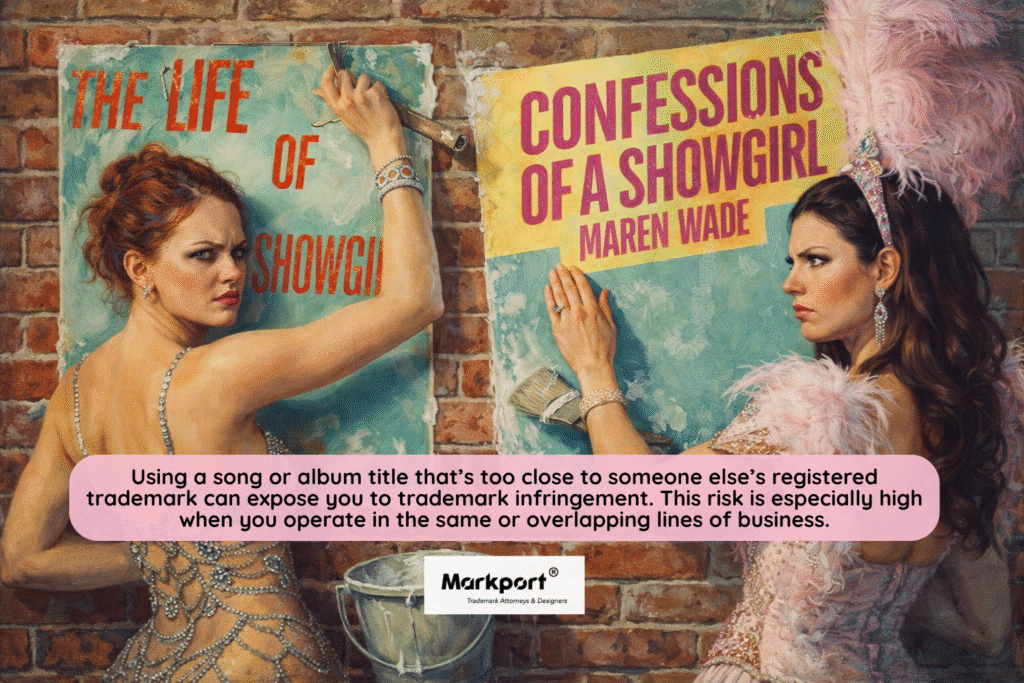
Small businesses often assume that trademark disputes only happen to global celebrities. The recent clash between Taylor Swift and Las Vegas performer Maren Wade proves the opposite. A single name can trigger a major legal problem, even for the biggest brands in the world. The real message for SMEs is simple. If someone else already owns the name you want, using it can become expensive, stressful and entirely avoidable.
This case highlights the power of priority. Wade filed her trademark for Confessions of a Showgirl on 1 May 2014. She used it for a newspaper column, a live show, a national tour and digital media. Her registration is now incontestable. When Swift released The Life of a Showgirl in 2025, the title landed too close to Wade’s long‑standing brand. The USPTO refused Swift’s trademark application because the two marks created a similar overall commercial impression. Even though the words Life and Confessions differ, both titles share the same structure and the same dominant phrase. They also operate in overlapping entertainment markets. That was enough for the USPTO to find a likelihood of confusion.
The refusal placed Swift’s team on clear notice that the name already belonged to someone else. They continued using it anyway. Wade then filed a lawsuit, arguing that Swift’s large‑scale commercial rollout created reverse confusion. In simple terms, the junior user became so dominant that the senior user risked being overshadowed. Wade claims that what she built over twelve years was at risk of being swallowed in a matter of weeks.
How SMEs Can Avoid the Same Problem
Start with proper trademark searches
A trademark search is not a formality. It is your first line of defence. A search would have revealed Wade’s registration immediately. For SMEs, this step protects your investment in branding, packaging, marketing and design. It also prevents you from building a brand on top of someone else’s rights. A search gives you clarity before you commit.
Take trademark refusals seriously
A trademark refusal is not a suggestion. It is a clear warning that your chosen name carries legal risk. Swift’s team received a Likelihood of Confusion Refusal and pressed ahead. Most SMEs cannot afford to take that gamble. A refusal is your chance to rethink, rebrand or redesign before you face a dispute. Treat it as an opportunity to avoid a costly mistake.
Negotiate early if a conflict appears
If your preferred name is close to an existing mark, negotiation is often cheaper than litigation. Many businesses resolve conflicts through co‑existence agreements or consent letters. These tools set clear rules about how each party can use their mark. They also help you avoid expensive lawsuits and protect your ability to trade with confidence. Early communication can save you time, money and stress.
Design a brand that avoids competitors
A strong brand strategy includes planning your trademark from the start. Choose names that are distinctive, original and far from your competitors. Avoid descriptive or generic terms. Build a brand identity that stands on its own. This reduces the risk of infringement and strengthens your long‑term brand value. It also gives you more freedom to grow without running into legal barriers.
What Strong Trademark Management Delivers
Good trademark management protects your identity, strengthens your brand story and reduces legal risk. It also gives you confidence to grow, expand and invest in your brand without fear of conflict. When you own your name, you control your future. When you do not, you leave your business exposed.
Swift and Wade will likely settle this case privately. A settlement of this scale can easily reach several hundred thousand dollars. She can afford it. Most small businesses cannot. The cost, the disruption and the reputational risk are all preventable with the right trademark strategy.
If you want to protect your brand and avoid costly disputes, we can help.
References and Further Reading (APA‑style, web‑adapted)
United States Patent and Trademark Office. (2014). Confessions of a Showgirl [Trademark record]. USPTO Trademark Status and Document Retrieval. https://tsdr.uspto.gov/#caseNumber=86269349&caseType=SERIAL_NO&searchType=statusSearch
Rolling Stone Australia. (2024). Taylor Swift sued for trademark infringement over “Life of a Showgirl”. https://au.rollingstone.com/music/music-news/taylor-swift-sued-trademark-infringement-life-of-a-showgirl-93070/
ABC News / Good Morning America. (2025). Taylor Swift faces trademark infringement lawsuit by Vegas performer over “Showgirl” album. https://abcnews.com/GMA/Culture/taylor-swift-faces-trademark-infringement-lawsuit-vegas-performer/story?id=131584343#:~:text=Entertainer%20Maren%20Flagg%2C%20known%20professionally,was%20released%20in%20October%202025.
Markport. (2025). Trademark FAQs for Australia. https://markport.com.au/trademarks-faq-for-australia/